TVS Apache RTR 180
View the main image and bike details below.
No video added yet.
Bike Variants (2)
Compare prices and specifications for this bike.
- Upcoming variants: 0
- Discontinued variants: 0
| Variant | Price | Engine / motor | Mileage / range | Transmission | ABS | Action |
|---|---|---|---|---|---|---|
 Apache RTR 180 Disc BluetoothAvailable | ₹128,078 | 177.4 cc | 45 kmpl | 5 speed manual | Not specified | |
 Apache RTR 180 Anniversary Special EditionAvailable | ₹128,570 | 177.4 cc | 45 kmpl | 5 speed manual | Not specified |
No variants match these filters.
Compare selected variants
Specifications
Engine & Performance8 specs
Brakes & Safety4 specs
Dimensions & Comfort4 specs
Features & Ownership10 specs
Rating & Reviews
No reviews yet
Be the first to share your experience with this bike.
Recent Reviews (0)
No reviews match these filters.
TVS Apache RTR 180 2026: Review, Features, Pros and Cons
The TVS Apache RTR 180 is a sporty street motorcycle designed for riders who want aggressive styling, responsive performance and practical features for everyday riding. With its 177.4cc engine, digital instrument console, ride modes and sporty bodywork, it offers a combination of performance-focused character and daily usability.
The Apache RTR 180 belongs to the popular Apache motorcycle family from TVS Motor Company. Its appeal comes from its distinctive design, five-speed gearbox, braking equipment and technology features available on the applicable version.
But is the TVS Apache RTR 180 the right motorcycle for daily commuting? How does its engine perform, what features does it offer, and what should buyers consider before purchasing it?
In this detailed guide, we cover the motorcycle’s design, engine performance, comfort, features, safety, mileage considerations, pros and cons, and buying advice.
Table of Contents
- About the TVS Apache RTR 180
- Design and Styling
- Engine and Performance
- Comfort and Practicality
- Features and Technology
- Braking and Safety
- Mileage and Maintenance
- Pros and Cons
- Who Should Buy the Apache RTR 180?
- Things to Check Before Buying
- Frequently Asked Questions
- Final Verdict
1. About the TVS Apache RTR 180 {#about}
The TVS Apache RTR 180 is a sporty motorcycle developed for riders who want a more engaging riding experience than a conventional commuter bike. Its design takes inspiration from the performance-focused Apache series, while its street-bike format makes it suitable for regular road use.
The motorcycle combines a muscular fuel tank, angular body panels, a digital instrument console and a performance-oriented engine. Depending on the model year and version, it also offers features such as ride modes and SmartXonnect connectivity.
One of its notable features is the ability to select different riding modes. These modes adapt aspects of the motorcycle’s performance for different riding conditions, although they do not replace careful riding or safe braking practices.
For the latest manufacturer-published information, visit the official TVS Apache RTR 180 product page.
2. Design and Styling {#design}
Muscular fuel tank
The Apache RTR 180 features a sculpted fuel tank with angular extensions that give the motorcycle a muscular appearance. This design helps establish its sporty identity and distinguishes it from simpler commuter motorcycles.
The tank’s shape also provides contact points for the rider’s legs. Whether the riding position feels natural depends on the rider’s height, body proportions and preferences.
Headlamp and LED lighting
The motorcycle’s front-end styling is one of its defining features. The sharp headlamp design and LED lighting elements give it a modern appearance.
LED lighting can offer useful visibility, but actual road visibility depends on beam alignment, weather, surrounding light and the condition of the lighting system.
Engine cowl and body graphics
The angular engine cowl and race-inspired graphics contribute to the Apache RTR 180’s performance-focused appearance. The sculpted tail section continues the sporty design towards the rear.
These styling details may appeal to riders who prefer a motorcycle that looks more aggressive than a standard commuter.
Alloy wheels and tyres
The Apache RTR 180 uses alloy wheels with tubeless tyres in the applicable version. The manufacturer lists a 90/90-17 front tyre and a 120/70-17 rear tyre for the ride-mode-equipped model.
Tyre condition, tread depth and correct inflation are important for maintaining grip and predictable handling. Riders should follow the tyre-pressure recommendations in the owner’s manual.
Overall, the Apache RTR 180 is worth considering if you prefer sharp styling, muscular proportions and a sporty street-bike design.
3. Engine and Performance {#performance}
177.4cc engine
The TVS Apache RTR 180 has a 177.4cc single-cylinder engine. TVS lists a maximum output of approximately 17 PS in Sport mode for the applicable version.
The engine is designed to provide a performance-oriented riding character. However, the way it feels on the road depends on throttle input, gear selection, traffic, road conditions and the motorcycle’s maintenance.
Maximum power figures are useful for comparing motorcycles, but they do not tell the entire story of everyday performance.
Five-speed gearbox
The Apache RTR 180 uses a five-speed manual gearbox. The rider selects gears using the clutch and gear lever to match the motorcycle’s speed and the conditions ahead.
Smooth gear changes and sensible gear selection can make city riding more comfortable. New riders should become familiar with clutch control in a safe learning environment before riding in busy traffic.
Sport, Urban and Rain modes
The ride-mode-equipped version provides three riding modes:
- Sport Mode: Provides the motorcycle’s more performance-focused engine response.
- Urban Mode: Offers a more controlled response for everyday riding conditions.
- Rain Mode: Adjusts aspects of engine response and ABS behaviour for wet-weather conditions.
The manufacturer’s documentation lists different maximum power and torque figures for Sport mode compared with Urban and Rain modes. Buyers should consult the official TVS Apache RTR 180 specifications for the applicable version.
Rain mode does not make slippery roads safe by itself. Reduce speed in wet conditions, leave more space between vehicles and avoid sudden braking or steering inputs.
What is the riding experience like?
The Apache RTR 180 is aimed at riders who want sporty performance alongside everyday usability. Its engine capacity and riding modes may appeal to people who enjoy a more responsive motorcycle.
However, riders who spend most of their time in congested traffic should also consider clutch feel, low-speed control, fuel expenses and comfort. A test ride is the best way to judge whether the motorcycle suits your regular routes.
4. Comfort and Practicality {#comfort}
Riding position
The Apache RTR 180 has a sporty riding layout intended to provide control and a performance-focused feel. Comfort is subjective, so riders should check the handlebar reach, seat position and footrest placement during a test ride.
Pay attention to your wrists, shoulders, knees and ability to place your feet comfortably when stopping.
Seat and pillion comfort
If you frequently carry a passenger, check the pillion seat, passenger footrests and grab handles before making a decision.
Short rides may not reveal every comfort issue. If possible, assess the seating arrangement and passenger space during an appropriate test ride.
Everyday city use
The motorcycle can be considered for daily commuting, but practical usability depends on the route, traffic density, parking arrangements and the rider’s experience.
Before buying, consider whether you prefer a sporty motorcycle or a commuter-focused model designed primarily around straightforward everyday travel.
Longer rides
The Apache RTR 180 may also be considered for occasional longer journeys. However, comfort over distance depends on riding posture, seat support, road conditions, wind exposure and breaks during the trip.
Do not assume that sporty styling automatically means long-distance comfort. Test the motorcycle and choose according to your actual needs.
5. Features and Technology {#features}
Digital instrument console
The digital instrument console presents important riding information in a modern display format. TVS describes features such as a digital speedometer and performance-related display information for the relevant version.
Check the actual instrument console and owner’s manual to confirm the readings and functions available on the motorcycle you intend to buy.
SmartXonnect and Bluetooth connectivity
TVS offers SmartXonnect connectivity on the applicable Apache RTR 180 version. The system uses Bluetooth connectivity and may provide functions such as navigation-related information and phone alerts, depending on the equipment and compatible application.
Connected features can depend on smartphone compatibility, software support and settings. Confirm the available functions before treating them as essential buying criteria.
You can explore the manufacturer’s official Apache RTR 180 feature details for more information.
Glide Through Technology
Glide Through Technology (GTT) is designed to help the motorcycle move at low speeds when the clutch is released gradually under the system’s specified operating conditions, without requiring throttle input.
This feature may be useful in slow-moving traffic. It does not eliminate the need for careful clutch control, attention or proper braking.
Race-inspired design details
The motorcycle’s design includes features such as angular bodywork, a sculpted engine cowl and race-inspired graphics. These elements contribute to its sporty appearance.
Equipment can vary across model years and versions, so buyers should verify the current feature list rather than relying on images of an older motorcycle.
6. Braking and Safety {#safety}
Front and rear disc brakes
The ride-mode-equipped Apache RTR 180 is listed with a 270mm front petal disc and a 200mm rear petal disc.
Disc brakes help provide controlled stopping when properly maintained. Actual braking performance depends on tyre grip, road conditions, brake condition and rider technique.
Single-channel ABS
TVS lists single-channel Super-Moto ABS for the applicable version. ABS helps reduce the risk of wheel lock during certain braking situations, but single-channel ABS does not provide the same coverage as a dual-channel system.
Riders should understand the braking system fitted to their motorcycle and follow the owner’s manual. ABS cannot guarantee a safe stop in every situation.
Suspension and handling
The motorcycle uses telescopic front forks and a rear suspension system identified by TVS as MIG suspension on the applicable version.
Suspension condition affects comfort, stability and how the tyres maintain contact with the road. Regular inspections and maintenance help keep the motorcycle in suitable operating condition.
For everyday safety, wear a correctly fastened helmet and suitable protective gear, maintain safe following distances and obey local traffic rules.
7. Mileage and Maintenance {#mileage}
What mileage can you expect?
Actual fuel economy varies according to traffic, riding style, route length, maintenance, tyre pressure and the weight carried.
A single mileage figure should not be treated as a guarantee for every rider. For a more useful comparison, look for owner reports from the same model year and similar riding conditions.
You can also calculate your own mileage by recording the distance travelled and the fuel used over several normal rides.
Maintenance costs
Fuel is only one part of motorcycle ownership. Your overall budget should also account for:
- Scheduled servicing and engine oil.
- Tyres and brake components.
- Chain and sprocket maintenance, where applicable.
- Insurance and registration expenses.
- Unexpected repairs and replacement parts.
For accurate servicing information, refer to the official TVS Apache RTR 180 owner’s manual.
Ask an authorised dealer for the current service schedule and applicable maintenance costs before buying.
8. Pros and Cons {#pros-cons}
Pros
- Sporty styling with a muscular fuel tank and angular body panels.
- 177.4cc engine with a performance-focused character.
- Three riding modes on the applicable version.
- Digital instrumentation and connected features, depending on equipment.
- Front and rear disc brakes on the ride-mode-equipped version.
- A practical street-bike format for everyday travel.
Cons
- Actual mileage depends on riding conditions and individual riding habits.
- The sporty riding position may not suit every rider.
- Single-channel ABS offers less coverage than dual-channel ABS.
- Some features depend on the model year and version.
- Fuel, servicing, tyres and other ownership expenses should be considered alongside the purchase price.
These points are general buying considerations. Your own experience may differ depending on your needs, riding conditions and the version you choose.
9. Who Should Buy the Apache RTR 180? {#who-should-buy}
The TVS Apache RTR 180 may suit riders who:
- Prefer sporty styling over conventional commuter-bike design.
- Want a motorcycle with a 177.4cc engine.
- Value ride modes and connected features where available.
- Need a motorcycle for everyday travel and occasional longer rides.
- Are willing to consider fuel and maintenance costs as part of ownership.
It may be worth comparing alternatives if your highest priorities are low running costs, a more relaxed riding position or dual
Related Bikes

Hero Splendor Plus
Avg. Ex-Showroom price
- Engine97.2 cc
- Mileage70 kmpl
- FuelPetrol
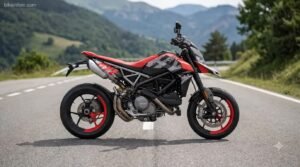
Ducati Hypermotard 950
Avg. Ex-Showroom price
- Engine937 cc
- Mileage19.6 kmpl
- FuelPetrol
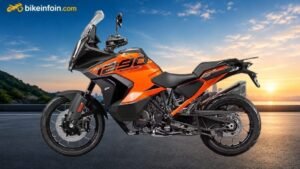
KTM 1290 Super Adventure S
Avg. Ex-Showroom price
- Engine1301 cc
- Mileage17.5 kmpl
- FuelPetrol
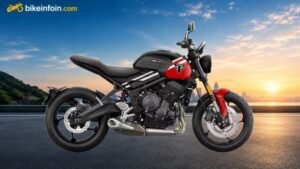
Triumph Trident 660
Avg. Ex-Showroom price
- Engine660 cc
- Mileage20 kmpl
- FuelPetrol